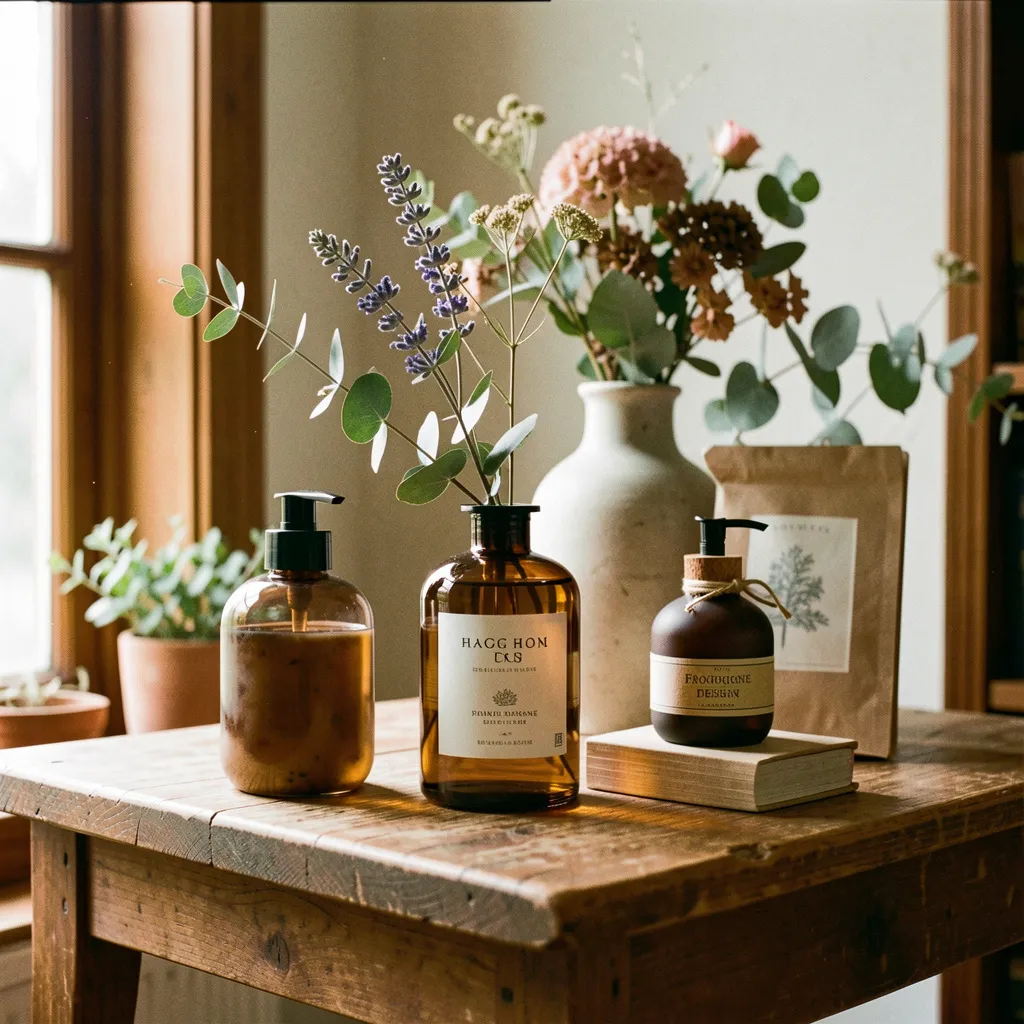
The Art of Scentscaping
Scentscaping involves understanding how different spaces function and selecting fragrances that complement each room's purpose and atmosphere.
Each room in your home serves a different function, and the right fragrance can enhance that function by creating an appropriate sensory environment.
By mapping fragrances to specific spaces, you create a cohesive yet varied sensory experience throughout your home.
Explore Room Recommendations
Click on a room to discover fragrance suggestions
Bedroom
Rest and relaxation
Study
Focus and concentration
Kitchen
Fresh and inviting
Living Room
Warm and welcoming
Room-Specific Considerations
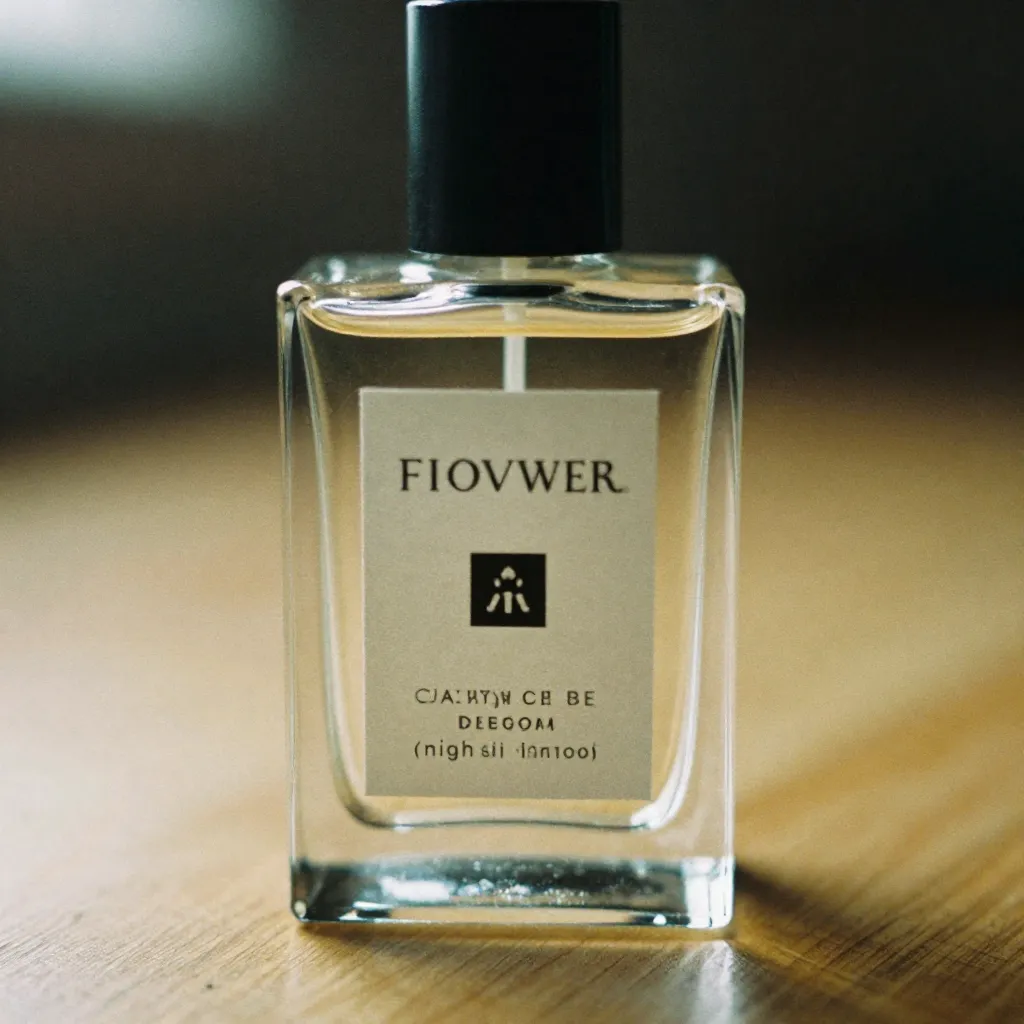
Bedroom Atmosphere
Bedrooms benefit from calming, soothing fragrances. Consider scents that promote a sense of tranquility and rest. Light, soft notes work well in sleeping environments.
Fragrances with lavender, chamomile, or soft vanilla notes can create a peaceful atmosphere conducive to rest.
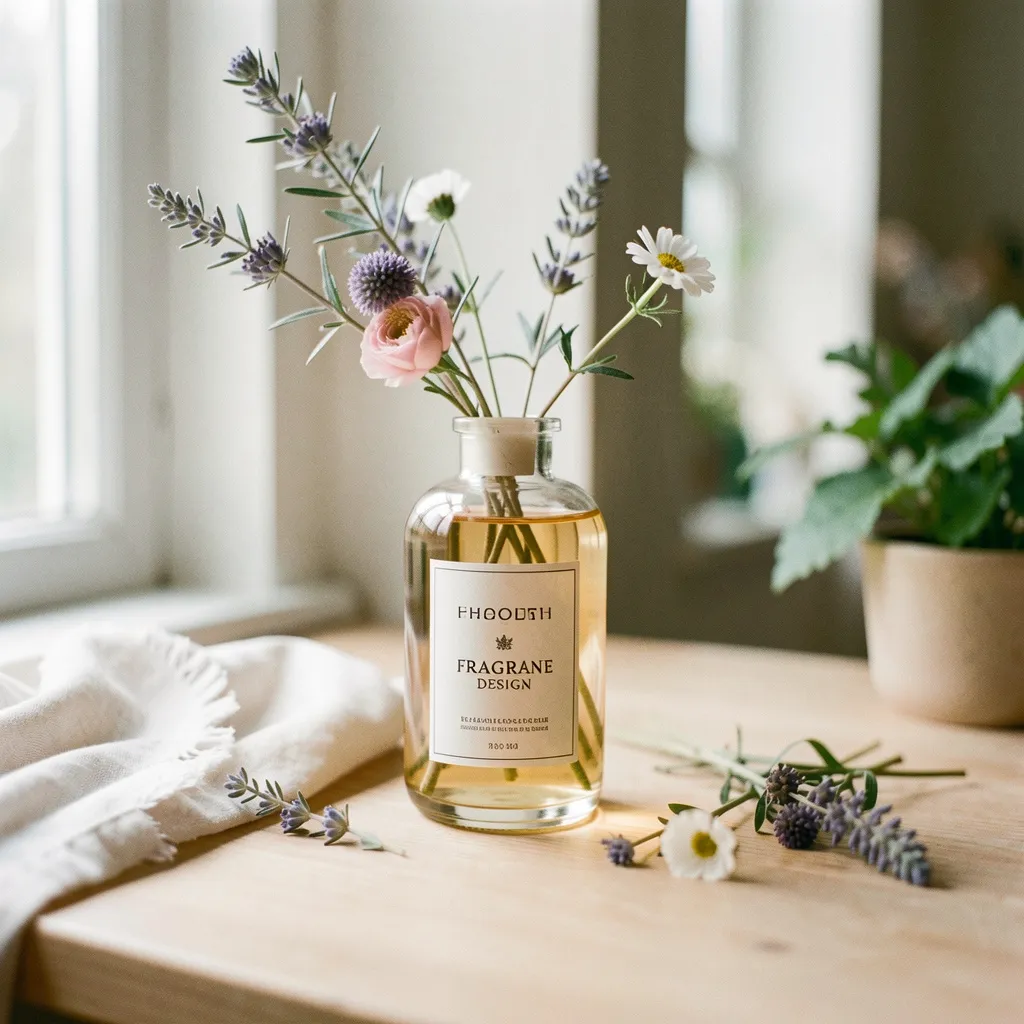
Study Environment
Workspaces and study areas can benefit from fragrances that support focus and mental clarity. Fresh, invigorating scents may help maintain alertness.
Citrus notes, eucalyptus, or light mint fragrances can create an energizing atmosphere without being overwhelming.
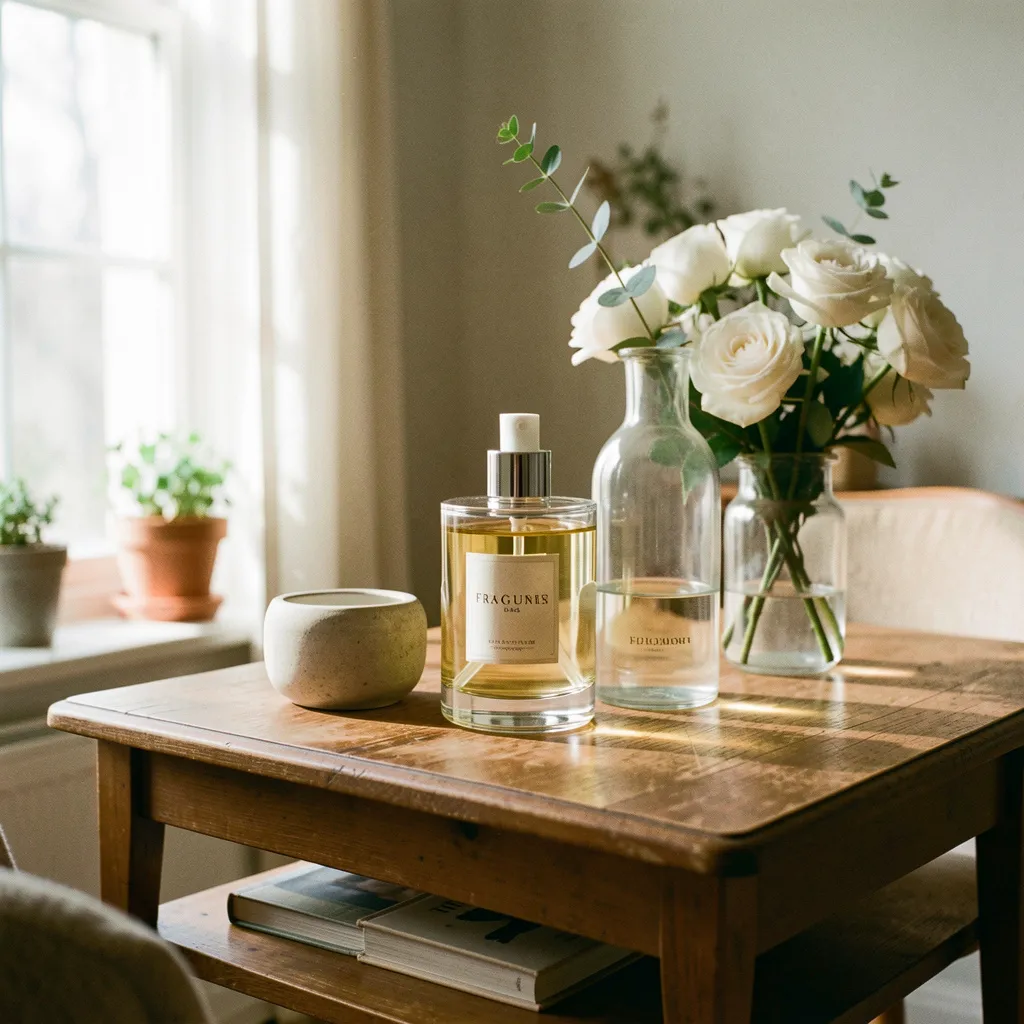
Kitchen Ambiance
Kitchens often have their own natural scents from cooking. Fragrances here should complement rather than compete with food aromas.
Fresh, clean scents like lemon, herbs, or light florals can enhance the kitchen environment without interfering with culinary experiences.
Creating Fragrance Harmony
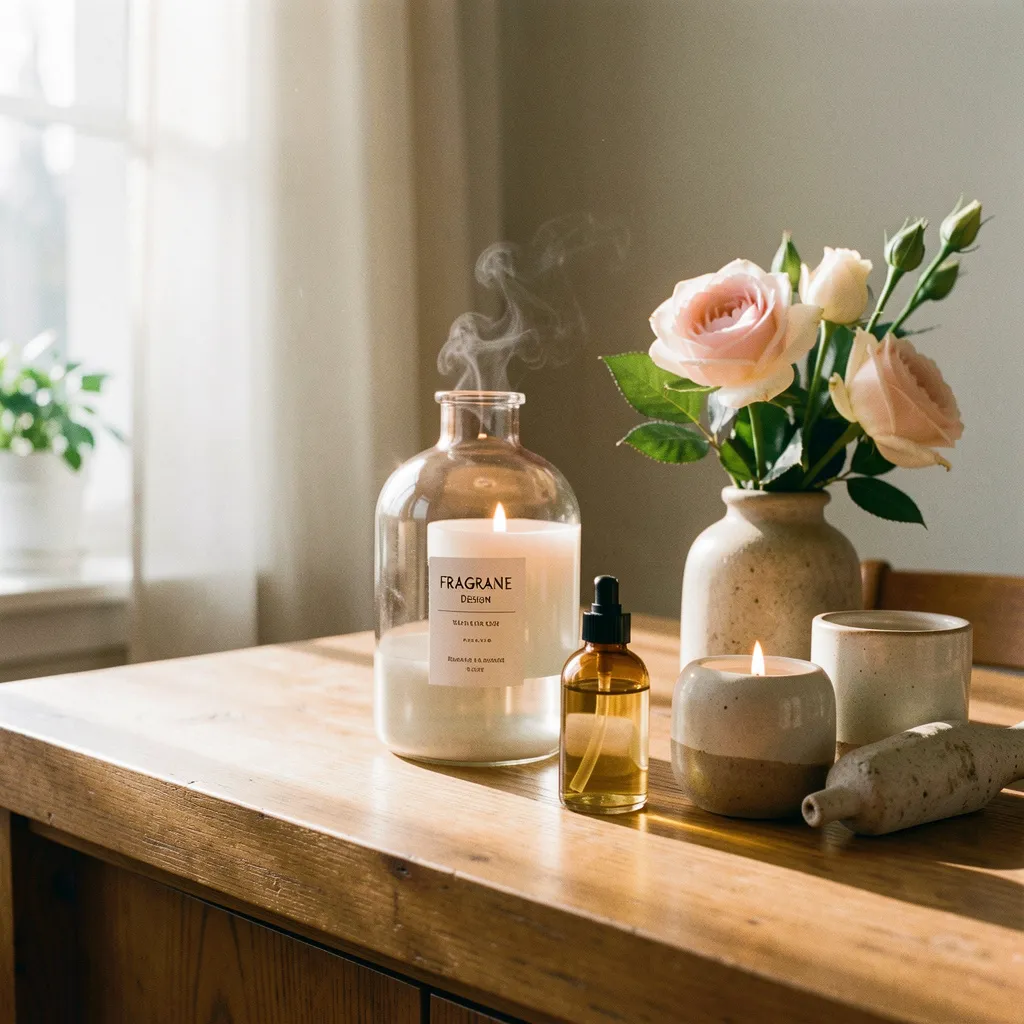
Balancing Variety and Cohesion
While each room can have its own fragrance character, maintaining some consistency creates a harmonious flow throughout your home.
Transition Zones
Consider how fragrances transition between rooms. Subtle variations can create interest while maintaining overall coherence.
Seasonal Adjustments
Fragrance preferences may change with seasons. Lighter scents might work well in warmer months, while richer, warmer notes can complement cooler seasons.